
Program Overview
2-week training program in permaculture design, seed conservation, and worm composting. UNHCR partnership started 2024 (Regesoil project).
501
Farmers trained (350 women, 151 men)
7.8 tons
Worm compost produced yearly
800 kg
Food waste processed weekly
What Farmers Learn
- 2-week training: permaculture design, food forest methods, seed conservation
- Worm composting setup and maintenance (Red Wigglers)
- Tools and worms provided to each participant
- Follow-up support from Unidos trainers
Measured Outcomes (2024)
- 270 farmers: up to 45% productivity increase
- Soil drainage improved 40%: 10 cm/hour → 6.5 cm/hour (better water retention)
- 4 food forest demonstration sites: Kabazana A&B, Kigali village
- 340 farmers adopted food forest methods (68% of 500 target)
Honest Progress Report
Target vs Actual: Planned 6 demonstration sites, completed 4. Reason: land access in Nakivale currently difficult due to large refugee influx.
Challenges: Getting permission from Office of Prime Minister for land use takes longer than expected. Will continue working on 2 additional sites in 2026.
How It Works
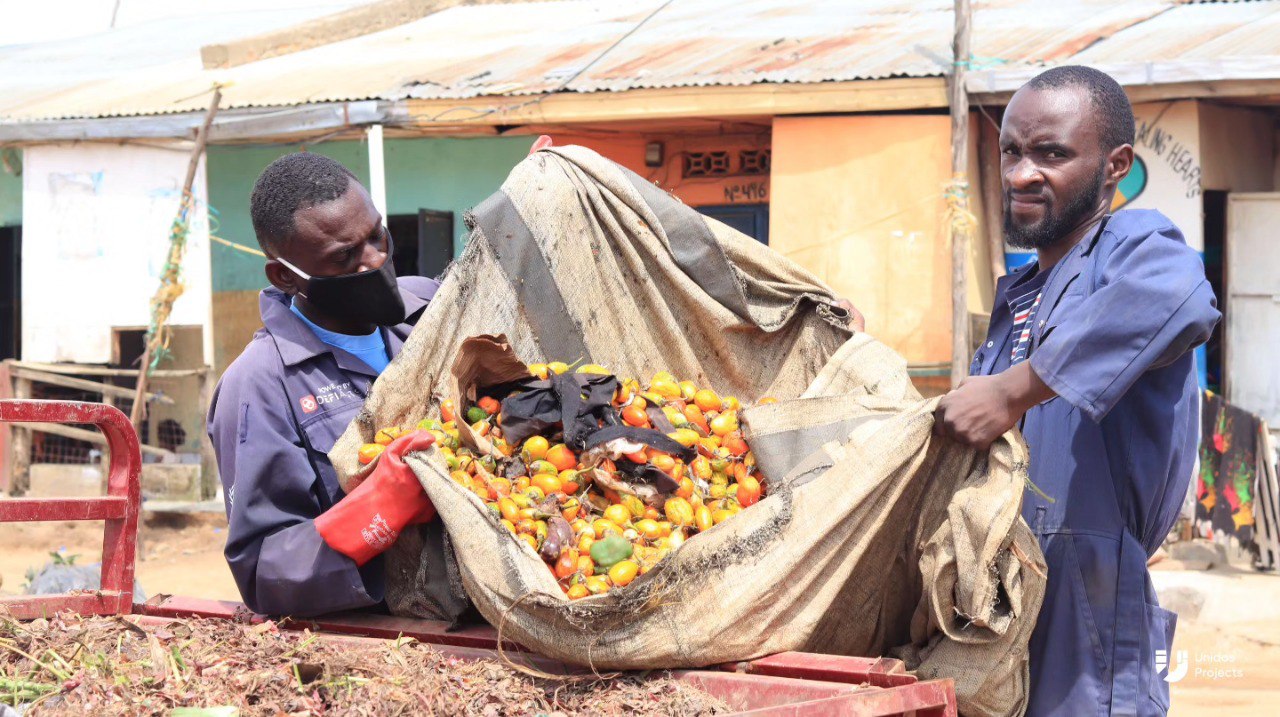
Food waste from settlement (800-1000 kg weekly) collected and processed by Red Wiggler worms. Result: 7.8 tons yearly of nutrient-rich worm castings.
Soil Improvements Measured:
- Water retention: drainage slowed from 10 cm/hour to 6.5 cm/hour (40% improvement)
- Soil structure: better aeration, root penetration
- Nutrient availability: nitrogen, phosphorus, potassium
- Beneficial microorganisms: combat soil-borne diseases
Partners
- UNHCR: Funding through Refugee Innovation Fund
- Re-Alliance: Technical training, permaculture design
- Lush Spring Prize: Prior support for initial program development