
Overview
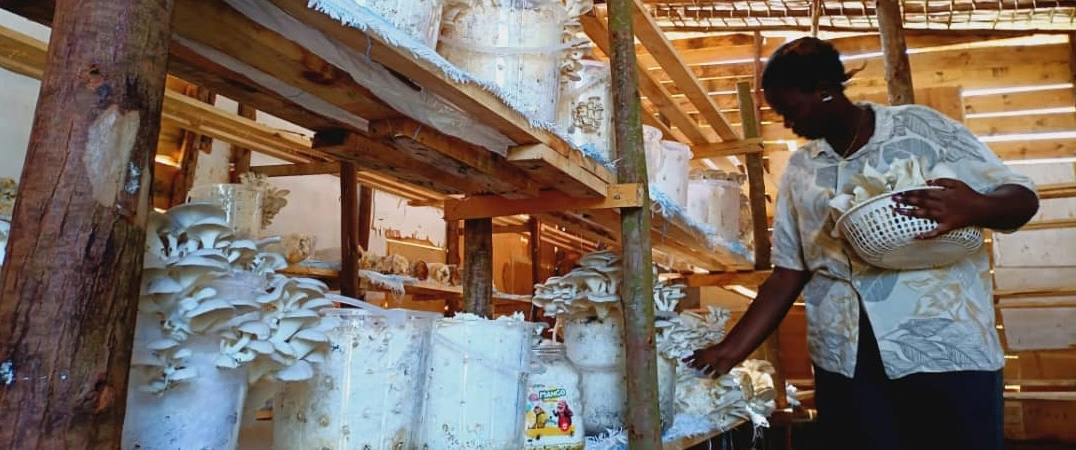
Unidos Projects is implementing an innovative mushroom cultivation initiative at Nakivale Refugee Settlement in Uganda to address food insecurity and soil degradation affecting the refugee and host communities.
The Problem
The settlement faces severe challenges: 46% unemployment and 36% of residents rely on farming despite climate pressures. Consequently, a staggering majority eating only one meal per day represents the current reality for most inhabitants.
Why Mushrooms?
Mushrooms offer multiple benefits. They are nutrient-dense, containing protein, fibre, vitamins, and minerals, making them valuable for combating malnutrition, particularly among children. The fungi also function as natural soil regenerators through their mycelial networks, which bind soil particles together and improve water retention and aeration.
Environmental Impact
The project addresses climate concerns by facilitating carbon sequestration. Fungi grown at Nakivale will play a crucial role in the decomposition of organic matter, with portions of carbon retained in soil as fungal biomass, thereby reducing atmospheric CO2 levels.
Community Involvement
Women refugees and host community members lead the initiative, promoting cooperation and coexistence. Participants receive training in regenerative mushroom production using locally available materials, enabling financial independence while improving family nutrition and food security.
Monitoring
Project success is measured through participant training numbers, the percentage of women actively growing mushrooms, and documented improvements in soil health alongside yield increases.
← Back to Stories