
The Challenge
Nakivale Refugee Settlement in Uganda, home to over 150,000 people from eight African nations, faces a severe humanitarian crisis. Residents receive only $3.48 monthly in food rations from the World Food Programme, creating widespread malnutrition and hunger.
The settlement, established 61 years ago in Uganda's Isingiro district, houses refugees fleeing war, poverty, and climate change. Residents come from the Democratic Republic of Congo, Somalia, Burundi, Rwanda, Ethiopia, South Sudan, and Eritrea.
The situation worsened as global food costs rose, forcing the WFP to reduce rations dramatically since 2018. Unemployment among young refugees reaches approximately 44%, with limited job opportunities and inadequate education systems.
The Solution: Permaculture Training
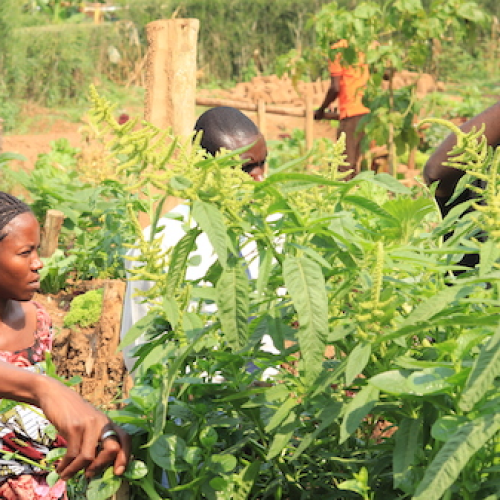
Unidos founder Paulinho Muzaliwa champions permaculture as a sustainable path toward self-reliance. The training program, defined as "development of an agricultural ecosystem using local and renewable resources," teaches community members farming techniques based on crop diversity and resilience.
Program Structure
Training typically lasts three to four weeks, combining two weeks of theory with intensive practical application. Participants receive breakfast during sessions and graduate with toolkits valued at $15, containing seeds, watering cans, and hoes.
Impact and Outcomes
Over 1,700 people completed training since last year. The program emphasizes permaculture's three ethics:
- Caring for Earth
- Ensuring fair share
- Promoting people care
Graduates cultivate annual crops including maize, beans, lettuce, spinach, and cabbage using organic soil generation methods involving composting.
Future Vision
The team aims to transform Nakivale into a regenerative community where refugees become independent from humanitarian aid through sustainable food production and education.
← Back to Stories