
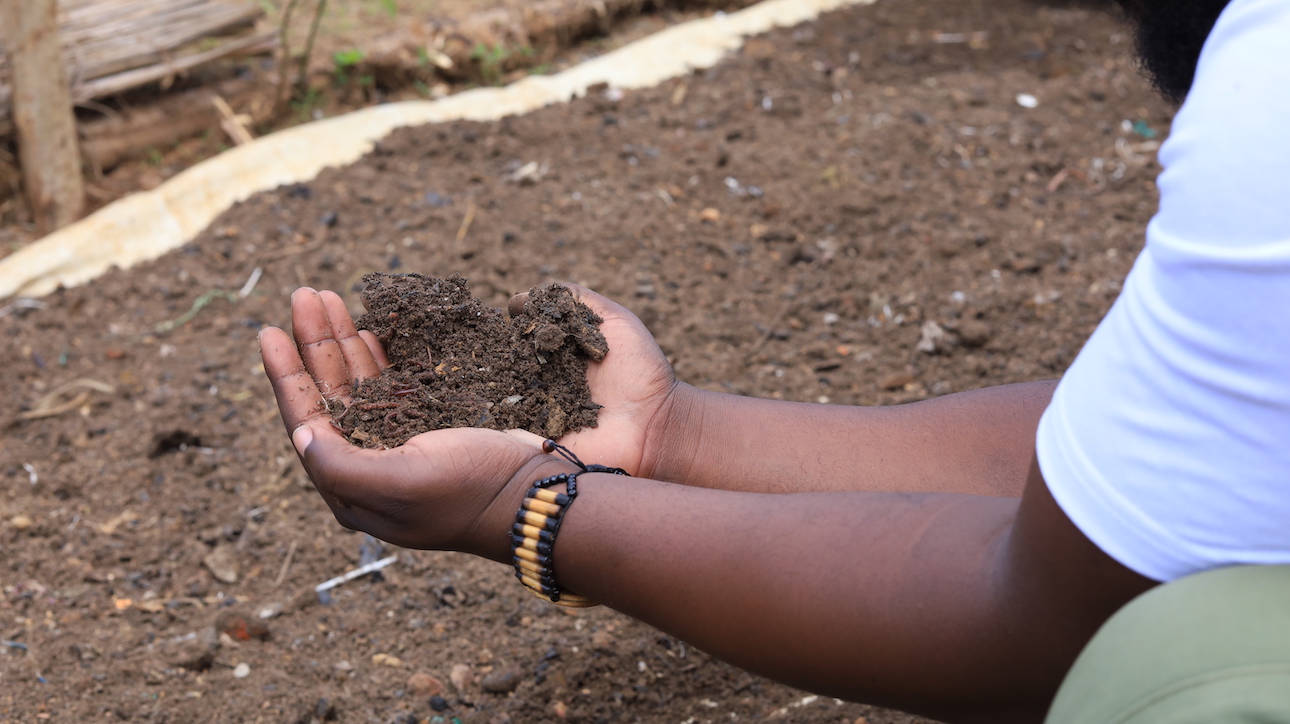
Overview
This comprehensive article explores vermicomposting as a sustainable practice that transforms organic waste into nutrient-rich fertilizer while empowering communities in Nakivale.
What is Vermicomposting?
Vermicomposting harnesses earthworms to break down organic materials into "worm castings." Unlike traditional composting relying on microbial decomposition, this method uses specific worm species—primarily Red Wigglers—to accelerate the decomposition process efficiently.
Key Benefits for Soil and Plants
- Enhanced Nutrient Availability: Readily accessible nitrogen, phosphorus, and potassium promote robust plant growth
- Improved Soil Structure: Better aeration and root penetration
- Water Retention: Reduces water usage and prevents soil erosion
- Pathogen Suppression: Beneficial microorganisms combat soil-borne diseases
- Stimulated Growth: Growth-promoting hormones strengthen plants
- Seed Germination: Creates ideal conditions for seedling development
- Soil Diversity: Fosters healthier ecosystems
Suitable Organic Waste
Appropriate materials include fruit/vegetable scraps, coffee grounds, eggshells, plant trimmings, and shredded paper. It's important to avoid meat, dairy, oily foods, and pet waste, as these disrupt the composting process.
Ideal Earthworm Species
Two species excel at vermicomposting: Eisenia Fetida (Red Wigglers) and Perionyx Excavatus (Indian Blues), both noted for rapid reproduction and heat/cold tolerance.
Environmental Impact
Vermicomposting reduces landfill waste, lowers greenhouse gas emissions, minimizes synthetic fertilizer dependence, and supports biodiversity through enhanced soil health.
Community Application at Nakivale
Unidos Projects collaborates with organizations like Realliance, Lush, and UNHCR to introduce vermicomposting to Nakivale's farming community—approximately 36% of the population. The initiative addresses food security and land restoration while creating employment opportunities and fostering independence as food aid decreases.
The organization is committed to empower local people by teaching them the methods they need to grow their own food and control their own future.
← Back to Stories