
Self-Reliance Fuels the Uptake of Soap Manufacturing Courses within Nakivale
Women constitute over half of Africa's refugee population, yet they remain among society's most vulnerable members. At Nakivale Refugee Settlement in Uganda, displaced women face severe obstacles to economic participation and stability. The settlement houses more than 150,000 people from eight African nations, including the Democratic Republic of Congo, Somalia, Burundi, Rwanda, Ethiopia, South Sudan, and Eritrea.
Recent challenges have intensified hardship for women in Uganda's refugee communities. The COVID-19 pandemic severely disrupted financial opportunities, while pervasive gender discrimination limits access to work. Women experience significantly lower wages, threatening family food security and children's educational prospects.
Many female refugees fled circumstances involving domestic violence and child marriage. In response, Unidos has launched initiatives combining education with economic empowerment. The organization believes that promoting women's sense of self-worth, their ability to determine their own choices, and their right to influence social change represents fundamental human rights.
What is Involved?
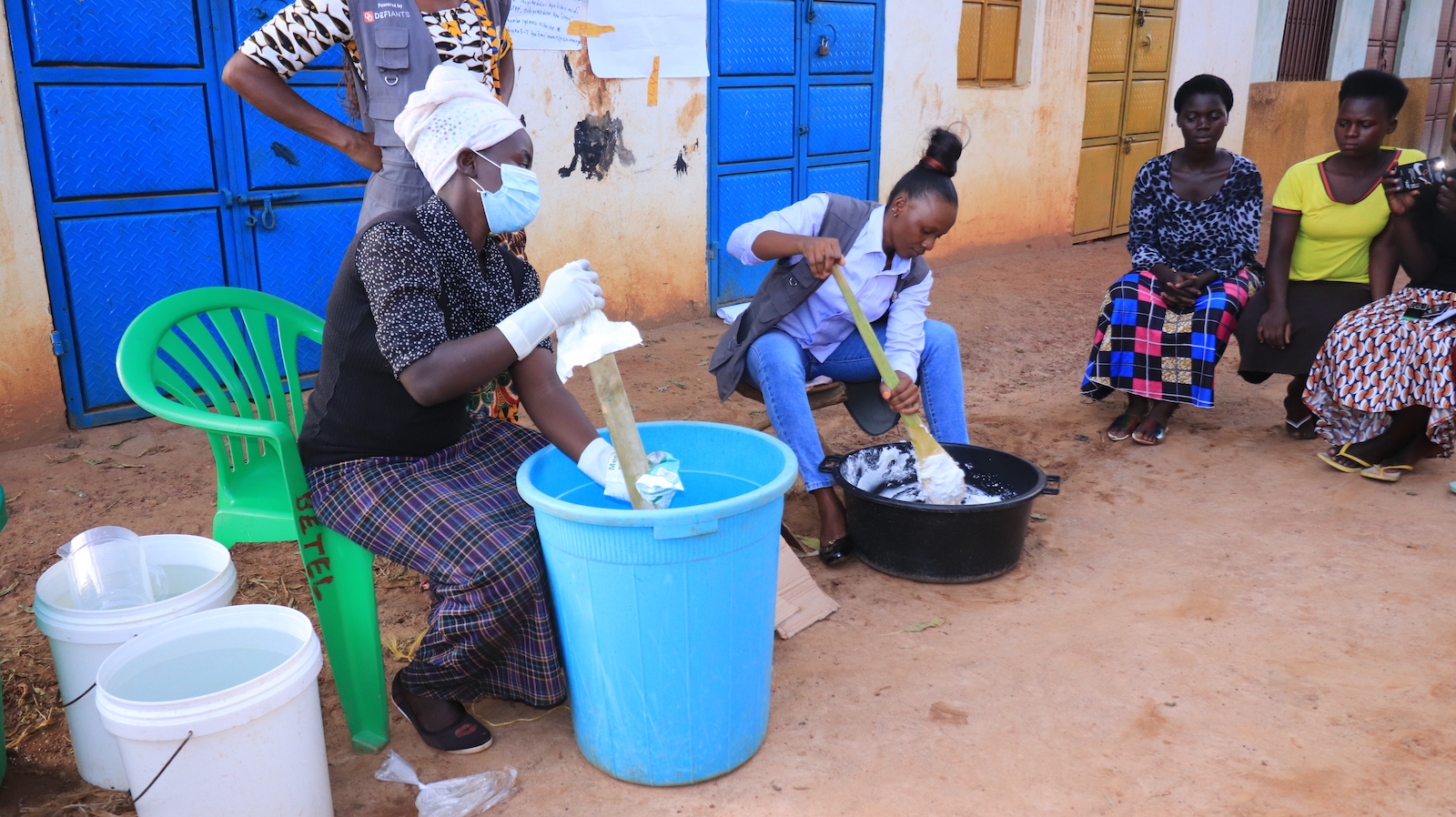
The soap-making course begins with instruction on ingredients, quantities, and proper mixing techniques. A female community member leads training, explaining each ingredient's specific role and function. Participants test soaps at home before advancing to the relationship-building phase.
The second component emphasizes community connection. Women join groups, share experiences, and develop lasting relationships with peers. Unidos supplies initial materials; as women generate profits, they return supplies for subsequent trainees. While most ingredients come from Kampala, local ingredients support medical soap production.
Equipped with new skills and community networks, graduates launch personal businesses, acquiring additional materials and branding tools to establish unique enterprises.
Course Success Metrics
Nearly 500 women have completed the program, with courses accommodating approximately 20 participants each. Interest in female self-reliance remains exceptionally strong throughout the settlement.
According to Paulinho Muzaliwa, "There is such a strong interest in women being self-reliant and contributing to their families as men always do in the community." The initiative benefits from both official trainers and volunteer facilitators—previous participants now mentoring newcomers.
Why Women's Empowerment Matters
Unlike temporary food assistance from the World Food Programme, soap manufacturing develops sustainable income generation and personal independence. The initiative strengthens female solidarity, enabling mutual support and personal development.
Many success stories demonstrate tangible outcomes: women now afford school tuition and adequate nutrition for children through soap sales. These successes inspire others, creating expanding entrepreneurial networks and shared economic growth.
Muzaliwa emphasizes that "Training women in various entrepreneurial skills enables them to respond to their personal and family needs, thereby making it a priority for us to organise more frequent sessions." Educational empowerment directly impacts family health, nutrition, and child education outcomes.
Future Outlook
The program has generated increased employment, quality product availability, and growing economic self-sufficiency among participants—clear indicators of positive community impact. Future aspirations include women assuming leadership roles in economic development, demonstrating resilience, and becoming models for subsequent generations.
"Educating a woman is a key starting point of a new prosperous community. It is important for me, because once educated and committed to a cause, a woman becomes unstoppable until she reaches her goal." — Paulinho Muzaliwa
Investment in economic opportunities for female refugees addresses poverty gaps, gender inequality, and inclusive employment while strengthening local and global economies.
← Back to Stories